

 See My Latest Article on HelloNation
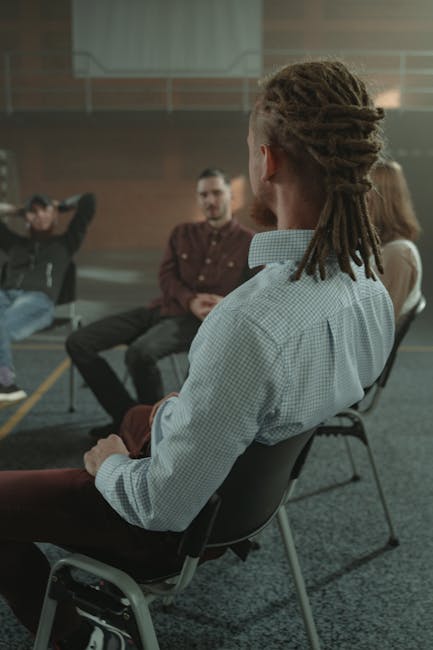
What Is Trauma and How Can It Affect Everyday Life in Idaho Falls, ID?
Trauma refers to the emotional, psychological, or physical response people experience after distressing or life-altering events. In Idaho Falls, ID, trauma can result from a wide range of events—including car accidents on local highways, wildfires or severe winter storms that disrupt daily routines, or personal losses affecting families in tightly knit neighborhoods.
Residents may notice trauma impacting:
- Sleep patterns, including trouble falling or staying asleep
- Appetite changes
- Mood swings or irritability with loved ones
- Difficulty concentrating at work or school
- Avoidance of certain places or conversations
Experiencing trauma is not a sign of weakness. Each person’s reaction is shaped by individual circumstances, past experiences, and available support.
Why Is It Important to Seek Help Instead of Ignoring Trauma?
Ignoring trauma can lead to issues like anxiety, depression, substance misuse, and strained relationships. Without support, affected individuals in the community may find it difficult to fully participate in family gatherings, function well at work, or maintain healthy routines during the long Idaho winters.
Getting help can:
- Prevent lingering effects that disrupt daily life
- Support healthier coping strategies in families
- Reduce chances of physical health problems linked to chronic stress
Even if symptoms seem mild, or the event happened long ago, unresolved trauma can resurface during transitions such as moving homes, job changes, or stressful local events.
Who Can Experience Trauma? Is It Limited to Certain Situations?
Anyone in Idaho Falls may face trauma at some point—regardless of age, income, or background. Trauma isn’t limited to catastrophic events. It can also result from:
- Bullying or harassment at local schools
- Accidents on icy roads during the winter
- Unexpected family changes or losses
- Witnessing community events that feel threatening
Children, teens, and adults might all be affected differently. Sometimes, the signs of trauma are overlooked if not immediately visible. For example, children may act out or withdraw, and adults may throw themselves into work or avoid social contact.
What Are Common Misconceptions About Trauma Recovery?
A common misconception is that “time heals all wounds.” While some people do improve over time, many find symptoms simply change or become less noticeable, rather than resolving completely.
Other misunderstandings include:
- Believing that only people directly involved in a tragedy suffer trauma (witnesses and loved ones also experience effects)
- Thinking trauma reactions mean someone is “weak” or “overreacting”
- Assuming that seeking support is only necessary for severe symptoms
Healing often involves active support, personal effort, and sometimes guidance from trusted sources.
What Does Seeking Trauma-Related Help Look Like in Idaho Falls?
Seeking support can look different for each individual in Idaho Falls. It may involve talking to family or friends who provide a listening ear, reaching out to a school counselor, or participating in community wellness programs. Some residents find comfort in local support groups or safe community spaces, especially during the quiet season when social isolation can worsen difficult feelings.
Seeking help does not always mean formal therapy. Practical steps might include:
- Participating in community walks or group activities
- Using trusted local hotlines or public health resources when in distress
- Setting small, achievable wellness goals—like regular walks along the Snake River or practicing mindfulness outdoors
When trauma severely disrupts work, school, or relationships—or when thoughts of harm arise—immediate support from a healthcare provider or crisis line is crucial for safety.
How Can Idaho Falls Residents Support Each Other After Traumatic Events?
Strong community support plays an important role in recovery for area households. Neighbors, teachers, and community members can help by:
- Providing nonjudgmental listening without pushing for details
- Respecting privacy while checking in periodically
- Offering to help with daily tasks like meal prep or child care, especially after local emergencies
Simple gestures—such as inviting someone for coffee during a snowstorm or reaching out to a neighbor after a house fire—can make a difference, reducing isolation and reminding individuals that they’re not alone.
Are There Barriers to Seeking Help in Idaho Falls?
Barriers to seeking support include stigma, not knowing where to start, or believing symptoms will resolve on their own. In rural and suburban neighborhoods around Idaho Falls, distance from support services or a shortage of mental health resources can add challenges.
Residents can make it easier on themselves and others by:
- Practicing open conversations about mental health at home and in community settings
- Knowing that asking for help—including informal support—is a healthy step, not a sign of failure
- Being patient if healing takes time or involves ups and downs
Finding a path forward can take different shapes, but every small effort helps build a more resilient community.