

 See My Latest Article on HelloNation
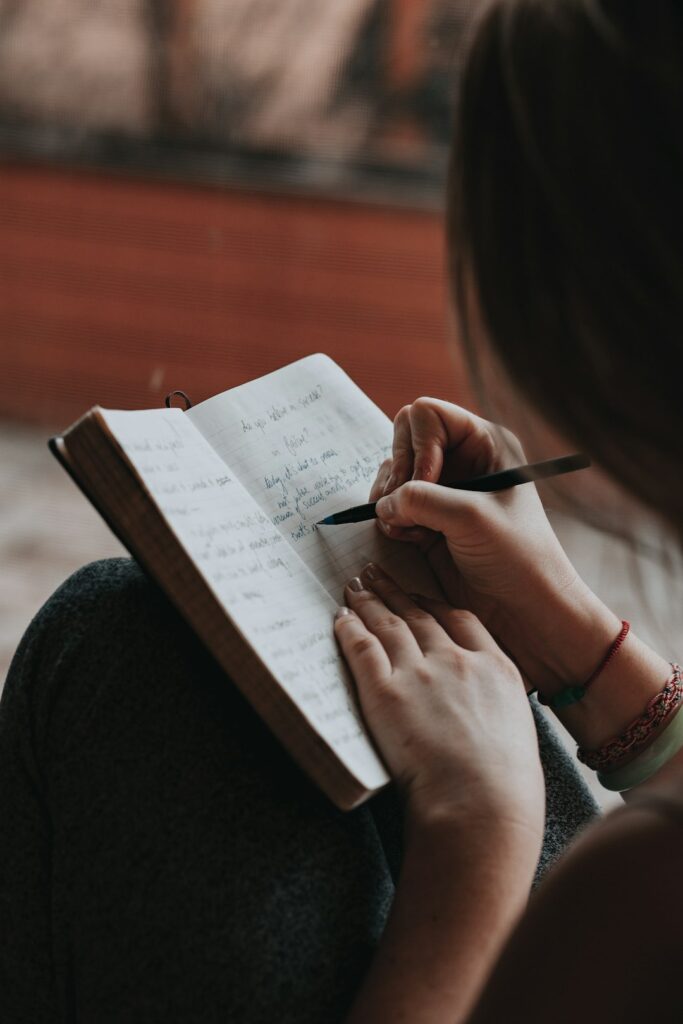
How Can Journaling Help Mental Health?
Journaling helps many people better understand their thoughts and feelings. Regular writing can ease stress, organize emotions, and identify personal patterns that affect mood. Residents of Idaho Falls, ID sometimes find journaling helpful for navigating big life changes, seasonal weather, or simply managing day-to-day ups and downs.
People often use journals to:
- Track moods or anxiety levels
- Explore stressful life events
- Set and review personal goals
- Practice gratitude or mindfulness
- Reflect on successes and setbacks
Journaling is not a cure-all, but it offers a safe, private outlet for processing emotions at a pace that suits each person.
What Types of Journaling Work for Different Needs?
Different styles appeal to different purposes. Some residents prefer classic, lined notebooks, while others use sketchbooks, art journals, or digital notes.
Consider these approaches:
- Freewriting: Writing continuously about whatever comes to mind—useful for stress release or self-discovery.
- Prompt-based journaling: Responding to specific questions (such as “What made me smile today?”) can make daily entries more approachable.
- Gratitude journaling: Listing three things you’re thankful for, especially during Idaho’s long winter months, may support a more positive outlook.
- Mood tracking: Recording emotions or physical symptoms to notice trends, which can be helpful during shorter winter days or periods of high stress.
The best format is the one a person will stick with comfortably in their routine.
How Do I Start Journaling if I’ve Never Tried It Before?
Getting started only requires something to write with and a little quiet time. For most Idaho Falls households, setting aside 5–15 minutes after dinner or before bed can work well. There’s no right or wrong way—grammar and spelling do not matter.
To start:
- Choose a comfortable, trusted spot (some prefer a cozy chair, others the kitchen table).
- Start with a simple prompt like, “How am I feeling today?” or “What’s on my mind right now?”
- Write freely, even if it’s only a few words.
- Avoid pressure to make each entry perfect.
- Some find it easier to begin by writing about the day’s weather or a local event as a warm-up.
Most people need several tries to make journaling a regular habit, especially during holiday seasons or busy times of year.
What Should I Do if I Get Stuck or Overwhelmed?
Feeling “blank” or frustrated is very common, especially at the beginning.
Practical suggestions include:
- Give yourself permission to skip days. Missing a few entries does not mean failure.
- Use short lists, doodles, or single words—journals do not always have to be full sentences or long stories.
- Try changing locations; writing near a window can help when winter feels long or the weather is gray.
- If writing about a painful topic feels too hard, switch to lighter subjects (like favorite books or future plans) until you’re ready.

Over time, entries become easier as the process feels safer and more familiar.
Are There Common Mistakes or Misconceptions?
A frequent misconception is that journaling must be daily or produce profound insights to be helpful. For most area residents, even occasional entries provide value when they help make sense of emotions or create space for self-care.
Other overlooked factors:
- Locking your journal or using a password can add peace of mind for privacy.
- It’s normal for motivation to rise and fall; some seasons, like late winter in Idaho, bring extra challenges.
- Sharing your journal is optional—most people benefit from keeping it personal.
- Comparing your entries to others’ (especially online) can discourage the habit; everyone’s process looks different.
What Local Considerations Matter When Journaling in Idaho Falls?
The climate and lifestyle in Idaho Falls can shape routines and topics that appear in journals. For example:
- Seasonal changes—long winters and short days—often influence mood and may show up in writing.
- School schedules, local events, and outdoor traditions give unique anchors for reflection.
- Safe, private places can be easier to find in single-family homes than in shared apartments or tight spaces; people sometimes use cars or porches to find quiet.
In this community, journaling can also offer perspective on local joys—like spring’s “first warm day” or the comfort of neighborhood routines.
When Should Someone Seek More Help?
Journaling can highlight deeper struggles, such as ongoing sadness, anxiety, or thoughts that feel hard to manage. While it is a valuable tool, some concerns may need additional support from a trusted adult, school counselor, or mental health resource. This is particularly important when distress lasts longer than two weeks or gets in the way of daily life, such as work or school responsibilities.